- Existing materials should guide historic remodel planning.
- Original floors, trim, plaster, and built-ins add lasting character.
- Matching older materials can require early planning and extra time.
- New materials should support, not compete with, original details.
- Thoughtful transitions help old and new spaces feel connected.
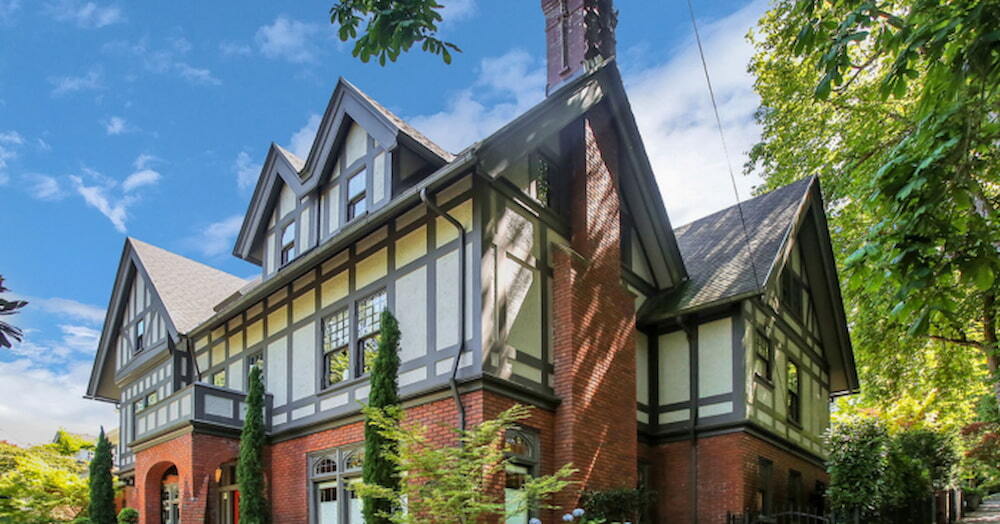
If you own one of the stunning historic properties in Portland, home remodeling often comes with a few added considerations. Most projects aim to make the home work better for everyday life, but features like original floors, built-ins, plaster, or woodwork are often part of why homeowners want to keep them. Balancing those priorities is where things get more involved. A kitchen may feel closed off, a bathroom may need a better layout, or storage may be limited, while past updates may no longer match the house’s character.
That’s where the process becomes more thoughtful than simply choosing new finishes. In a historic property, existing materials play a role in the design from the start. They shape what stays, what changes, and how new work connects to the rest of the space. Read on to see how these materials can guide a historic remodel.
Why materials matter in a historic home remodel?
Existing materials matter because they help explain the house. They show how it was built, how rooms relate to one another, and what gives the space its character. In a historic remodel, those details rarely act like background elements. They often guide the planning process as much as the new design goals do.
This doesn’t mean every original feature has to stay exactly as it is. It means each material should be evaluated before decisions are made around it.
Original materials carry architectural memory
Older properties often have details that are difficult to recreate with the same depth. Details such as hardwood flooring, trim, doors, plaster, masonry, built-ins, and original cabinetry can all influence how a room feels. Many people choose to preserve them because they give the house texture and continuity, even when the layout needs improvement.
When those details are handled carefully, the remodel can feel connected to the property’s history instead of separate from it. Sometimes, this means working within additional constraints, like remodeling a kitchen with limited wall space. Other times, it simply requires extra steps to preserve those details. That connection is what keeps an updated space from feeling too new for the rest of the house.
Older materials are not always easy to replace
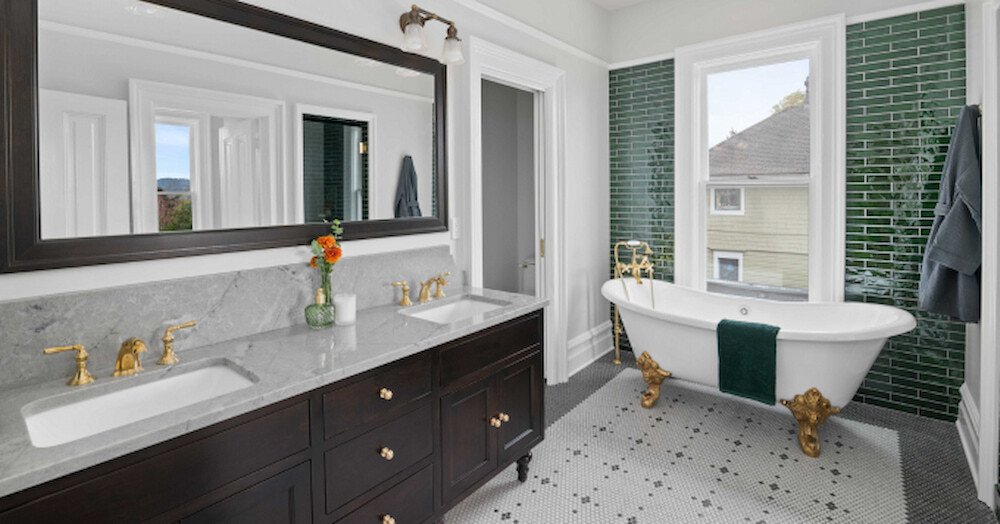
Matching historic materials can be more complex than finding a modern product that looks similar. Older trim may have a different profile, depth, or scale than what you can find today. Flooring may have aged in a way that affects tone and grain, and plaster walls may reflect light differently than drywall.
This makes the project a bit more complex and often explains why remodeling historic homes takes more time. Because of this, material decisions often need to happen early. If something will be repaired, replicated, or replaced, the project team needs time to understand what is realistic and what will look natural once installed.
One material decision can affect several rooms
Remodeling one room can influence surrounding spaces, and this is especially true for material decisions for historic houses. Replacing flooring in a kitchen, for example, may affect the dining room, hallway, stair landing, or thresholds. If the new surface is too different in thickness, tone, or pattern, the transition can draw attention in a way that makes the results feel isolated.
The same is true for trim, cabinetry, tile, and wall finishes. In a historic house, the way materials move from one space to another often matters as much as the material itself.
How to adapt remodeling to existing materials in home?
Working with existing materials doesn’t mean preserving everything without question. The better approach is to decide what has lasting value, what can be improved, and where new materials should be introduced with care. Some original details may deserve protection. Others may have been damaged, altered, or replaced long before the current remodel begins.
A strong plan looks at each condition in context. The goal is to create a house that functions better while still feeling grounded in its original character.
Start by deciding what has lasting value
Not every old material carries the same importance. Some features help define the home’s identity, while others may simply be old. Original wood floors, stair details, fireplace surrounds, built-ins, or distinctive trim may be worth designing around because they shape the way the house is experienced.
Other elements may be less meaningful. A worn surface, an awkward past repair, or a mismatched addition may not need to be preserved. Making this distinction early helps the remodel stay focused instead of treating every existing detail the same way.
Use new materials to support the old ones
New materials don’t always need to imitate historic details perfectly. In some houses, a forced match can feel less refined than a carefully chosen complement. The goal is to make new work feel intentional, balanced, and respectful of the original structure.
This might mean using cabinetry with simpler lines beside detailed historic trim, or choosing tile that feels quiet enough to let original woodwork remain the focus. When new materials support the older ones instead of competing with them, the remodel feels more composed.
Let transitions do some of the design work
Transitions are especially important in historic remodeling because they show where old and new work meet. When planned carefully, they can make a project feel seamless. When overlooked, even high-quality materials can feel disconnected.
It’s important to consider the transitions in:
- Flooring: The way old and new flooring meet can determine whether the update feels integrated or patched together. Height, grain direction, tone, board width, and threshold details all need to be considered before installation begins.
- Trim and casing: Original trim often has proportions that are hard to match with standard new profiles. When openings, cabinetry, or wall changes are introduced, casing and trim details need to be planned so surrounding rooms still feel connected.
- Surfaces: Plaster, drywall, tile, stone, and masonry each age and reflect light differently. When these materials meet, the change should feel deliberate. A clean transition can help a new surface belong without pretending to be original.
Plan for selective contrast
Contrast can work beautifully in a historic property when it’s handled with restraint. New materials don’t always have to disappear into the background. In some cases, a subtle contrast can clarify what is original and what was added.
Proportion matters most. A modern surface, fixture, or cabinet detail should still relate to the property’s scale, tone, and craftsmanship. When contrast is planned rather than accidental, it can make the older materials feel even more meaningful.
Coordinate decisions before construction
Historic remodeling becomes more difficult when material decisions are left until work is already underway. Once walls are open or surfaces are being prepared, small choices can quickly affect schedule, cost, and the final look of the space.
Early coordination helps clarify what will be preserved, what needs repair, and where new materials will be introduced. It also allows the design and construction teams to plan details together, which is especially important when existing conditions are part of the finished result.
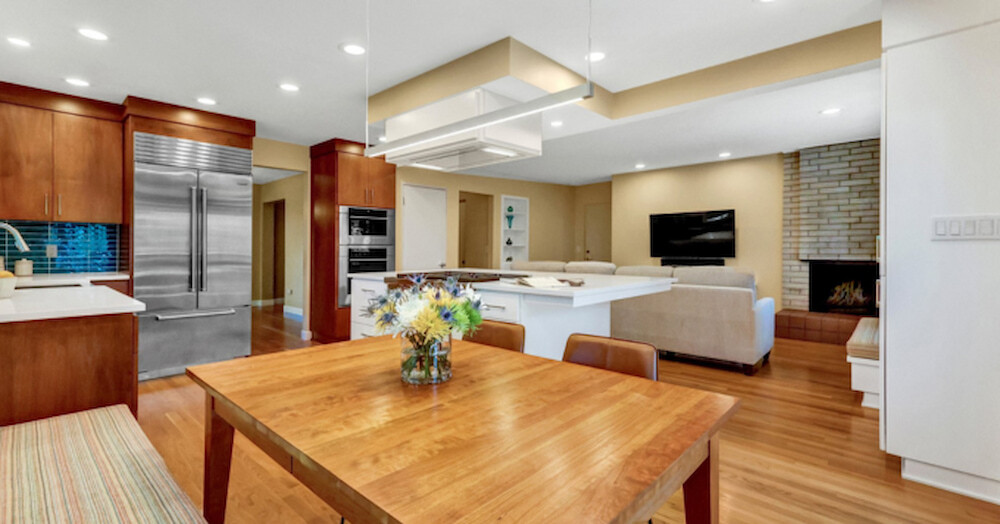
Which professional in Portland should you call for historic home remodeling?
COOPER Design Build & Remodeling works with homeowners who want to update historic homes without losing what makes them worth keeping. Our team handles design, planning, materials, and construction together, so original details and new work fit in a way that feels natural and intentional.
From Eastmoreland to homes across the Portland metro area, we’re the dependable local team who can help you improve how your home works while keeping its character intact. Contact us today to start planning your historic home remodel.