---
title: Why Historic Remodels Take More Time | Portland Home Remodeling
description: Read to learn why historic homes often take more time to remodel, as well as how existing materials, systems & structure affect the process.
image: https://blog.cooperdesignbuilders.com/hubfs/portland%20home%20remodel.jpg
---
- About Us
- [Your Expert Guide](https://cooperdesignbuilders.com/design-build-company-difference/)
- [Are We The Right Fit For You?](https://cooperdesignbuilders.com/right-fit-project/)
- [FAQ](https://cooperdesignbuilders.com/have-questions-we-have-answers/)
- [Meet Our Team](https://cooperdesignbuilders.com/meet-our-team/)
- Services
- [Whole House Remodels](https://cooperdesignbuilders.com/services/home-remodeling-portland-or/)
- [Integrated Additions](https://cooperdesignbuilders.com/services/home-additions-portland-or/)
- [Historic Homes](https://cooperdesignbuilders.com/services/historic-home-remodeling-portland-or/)
- [Gourmet Kitchens](https://cooperdesignbuilders.com/services/kitchen-remodel-portland-or/)
- [Primary Suite & Bath Remodeling](https://cooperdesignbuilders.com/services/bathroom-remodels-portland-or/)
- [Attics & Basements](https://cooperdesignbuilders.com/services/basement-attic-remodel-portland-or/)
- [Outdoor Living Rooms & Kitchens](https://cooperdesignbuilders.com/services/outdoor-living-remodeling-portland-or/)
- [Aging in Place](https://cooperdesignbuilders.com/services/aging-in-place-portland-or/)
- [Luxury Remodeling](https://cooperdesignbuilders.com/services/luxury-home-remodeling/)
- [ADUs](https://cooperdesignbuilders.com/services/adu-builders-portland-or/)
- [Testimonials](https://cooperdesignbuilders.com/home-remodeling-testimonials/)
[](https://www.cooperdesignbuilders.com)
- [Process](https://cooperdesignbuilders.com/design-build-process/)
- [Portfolio](https://cooperdesignbuilders.com/remodeling-portfolio/)
- [Blog](https://blog.cooperdesignbuilders.com)
- [Contact us](https://cooperdesignbuilders.com/schedule-a-consultation/)
- About Us
- [Your Expert Guide](https://cooperdesignbuilders.com/design-build-company-difference/)
- [Are We The Right Fit For You?](https://cooperdesignbuilders.com/right-fit-project/)
- [FAQ](https://cooperdesignbuilders.com/have-questions-we-have-answers/)
- [Meet Our Team](https://cooperdesignbuilders.com/meet-our-team/)
- Services
- [Whole House Remodels](https://cooperdesignbuilders.com/services/home-remodeling-portland-or/)
- [Integrated Additions](https://cooperdesignbuilders.com/services/home-additions-portland-or/)
- [Historic Homes](https://cooperdesignbuilders.com/services/historic-home-remodeling-portland-or/)
- [Gourmet Kitchens](https://cooperdesignbuilders.com/services/kitchen-remodel-portland-or/)
- [Primary Suite & Bath Remodeling](https://cooperdesignbuilders.com/services/bathroom-remodels-portland-or/)
- [Attics & Basements](https://cooperdesignbuilders.com/services/basement-attic-remodel-portland-or/)
- [Outdoor Living Rooms & Kitchens](https://cooperdesignbuilders.com/services/outdoor-living-remodeling-portland-or/)
- [Aging in Place](https://cooperdesignbuilders.com/services/aging-in-place-portland-or/)
- [Luxury Remodeling](https://cooperdesignbuilders.com/services/luxury-home-remodeling/)
- [ADUs](https://cooperdesignbuilders.com/services/adu-builders-portland-or/)
- [Testimonials](https://cooperdesignbuilders.com/home-remodeling-testimonials/)
- [Process](https://cooperdesignbuilders.com/design-build-process/)
- [Portfolio](https://cooperdesignbuilders.com/remodeling-portfolio/)
- [Blog](https://blog.cooperdesignbuilders.com/)
- [Contact Us](https://cooperdesignbuilders.com/schedule-a-consultation/)
# What Makes Remodeling a Historic Home More Time-Intensive?
Posted by [Josh Glover](https://blog.cooperdesignbuilders.com/author/josh-glover) on May 13, 2026, 9:10:29 AM
- **Historic remodels take longer because older homes reveal hidden issues.**
- **Original materials often need protection, repair, or custom matching.**
- **Preservation and modern comfort must be planned together.**
- **Structural, plumbing, electrical, and HVAC updates need careful review.**
- **Early decisions and flexible timelines help protect quality.**
When homeowners in [Portland](https://cooperdesignbuilders.com/services/home-remodeling-portland-or/) start a home remodel, they often begin with a focused goal like opening up a kitchen, reworking a bathroom, improving storage, or making the space more comfortable for daily life. But things can feel more nuanced when the property has historic character. Once planning begins, the project often becomes more layered than expected.
Original materials, previous repairs, older systems, and architectural details all influence what can be changed and how carefully the work needs to happen. The goal is to help the house function better while preserving the details that make it feel established, warm, and worth keeping. Read on to see why historic homes often require a more patient remodeling process.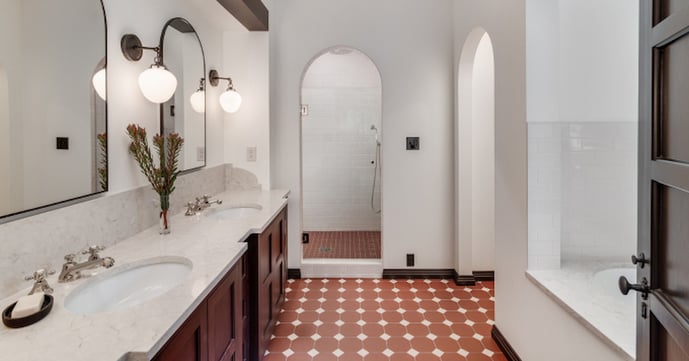
## Why does remodeling a historic home take longer?
Renovating a historic house usually takes longer because the process is shaped by more than the new design. In a newer home, the work is often more predictable because materials, construction methods, and systems are easier to identify. In an older one, each decision has to respond to what already exists.
Not every project in a historic property needs to become complicated, but all of them require planning that accounts for conditions that may not be visible at first glance.
### Older homes often reveal things as you go
Historic houses often carry layers from different periods. Some updates may have been thoughtful, while others may have been added quickly or patched around older conditions. Before new work can move forward, the team first needs to understand what is original, what was changed, and what may need correction.
A kitchen remodel may uncover altered framing. A bathroom update could show old plumbing routes. These discoveries take time to evaluate, but they help create a more reliable plan.
### Preservation & modernization happen together
Most projects in historic houses have two goals. One is to improve the property for modern living, and the other is to protect the character that makes it valuable. This means that while storage, lighting, layout, appliances, and comfort all matter, they need to fit the home’s proportions, materials, and architectural rhythm.
Planning can also involve decisions about:
- Which original features should remain
- Where new materials need to match older ones
- How modern systems can be integrated
- Whether layout changes will disrupt the property’s character
These choices affect more than appearance and shape how naturally the finished space belongs within the rest of the home, so they often take time.
## What in historic homes affects the remodeling timeline?
Existing conditions often have a much bigger impact on the schedule than the size of the work itself. In these properties, a small update can require more coordination than a larger one in a newer home, especially if original materials, older systems, or structural limitations need to be handled carefully.
The timeline also depends on how much of the home’s character the owner wants to preserve. Keeping original details is often worthwhile, but it usually requires more planning than replacing everything with new materials.
### Materials may need to be worked around
Original materials are one of the main reasons historic homes feel special. Wood flooring, plaster walls, built-ins, millwork, masonry, doors, and trim often shape the character of the space. If you want to preserve them, you need to have a plan to protect, repair, replicate, or carefully connect them to new work.
But [working around existing materials in historic homes](https://blog.cooperdesignbuilders.com/why-materials-matter-historic-home-remodel) adds an extra step to the project, and these older materials aren’t always easy to work with or replicate. A trim profile may need custom matching, and flooring may need to be woven into existing boards. Even simple transitions require care so the new work feels intentional.
### Structural changes can have broad consequences
Many historic homes were built with different methods than those used today. Some property owners choose to work with what they’ve got structurally, like [remodeling a kitchen with limited wall space](https://blog.cooperdesignbuilders.com/how-remodel-kitchen-with-limited-wall-space) and finding other ways to add storage. But if you need or want structural changes, they can become more time-intensive, especially when walls, openings, stairs, or room connections are involved.
An owner may want to expand a doorway, improve flow, or create a more open main level. These changes may be possible, but older framing, previous modifications, settlement, and load paths all need to be evaluated before the design is finalized.
### Mechanical systems often need careful coordination
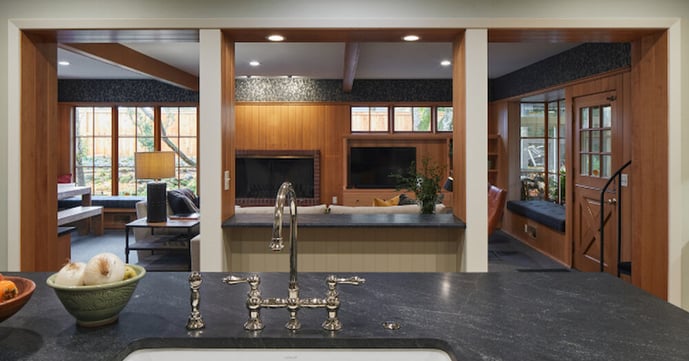
Modern comfort depends on systems that many historic houses were not originally designed to support. While many of these properties typically include electrical service, plumbing, heating, cooling, ventilation, insulation, and lighting due to more recent updates, those systems often need extra attention during a remodel.
They’re not as easily scalable as in modern builds, and any change needs to happen without unnecessarily disturbing original surfaces, proportions, or details, which adds extra time.
#### Electrical access
Older homes may have limited outlet placement, outdated wiring, or panels that need evaluation before you can add new lighting, appliances, and technology. These upgrades often require access through walls, ceilings, or floors, which can affect nearby finished spaces.
#### Plumbing routes
Bathrooms, kitchens, and laundry areas rely on plumbing that may run through older framing or tight wall cavities. Moving fixtures can improve function, but professionals usually have to study the routes before the layout is finalized.
#### HVAC
[Heating, ventilating, and cooling historic buildings](https://www.nps.gov/orgs/1739/upload/preservation-brief-24-heating-cooling.pdf) is important for comfort, but system placement matters. Ductwork, vents, fans, and insulation need to work with the structure instead of interrupting it. A refined design can quickly feel compromised if mechanical solutions are treated as afterthoughts.
## How to make a historic home remodel more efficient?
To make a historic remodel more efficient, it’s best to plan with the full context of the home in mind from the start. This isn’t to say that you need to update the entire house at once. Your project can stay focused if that is its goal, but you need to understand how the planned work connects to surrounding rooms, existing materials, systems, and long-term goals.
When you or the team working on your project study these relationships early, it’ll be much easier to make decisions that hold up during construction.
### Start with the whole home
Even if the project is centered on one room, it still helps to look at the home more broadly. Even [focused remodels can impact the surrounding areas](https://blog.cooperdesignbuilders.com/how-remodeling-one-room-affects-home). For example, a kitchen renovation may affect dining areas, storage, circulation, flooring, lighting, and mechanical systems. A bathroom upgrade may involve plumbing access, ventilation, adjacent walls, and nearby finishes.
It’s about functionality and structure, but looking beyond the immediate area helps preserve the continuity of historic character in these properties. When materials are repeated, openings are aligned, trim is consistent, and room-to-room proportions make sense, the result feels connected and balanced.
### Make design decisions first
It’s much harder to do a preservation-focused remodel in a historic house if you leave decisions until construction is underway. When walls are open and it’s time to install materials, choices become more urgent, and that pressure may lead to compromises that don’t fully serve the home.
Early planning helps clarify layouts, finish transitions, material selections, lighting, and system upgrades before construction begins. It gives the team more control and the homeowner a clearer framework for decisions.
### Build flexibility into the timeline
A realistic timeline is one of the most important parts of renovating a historic property. Older homes often require specialty work, material matching, additional investigation, or careful sequencing, all of which may be hard to predict and could take extra time. But if you build flexibility into the schedule, you and your remodelers will have an easier time responding thoughtfully instead of rushing through decisions that need attention.
You can’t remove every unknown from these projects, but staying flexible can help you avoid surprises and keep your project focused on quality.
## Which company in Portland is the strongest choice for a historic home remodel?
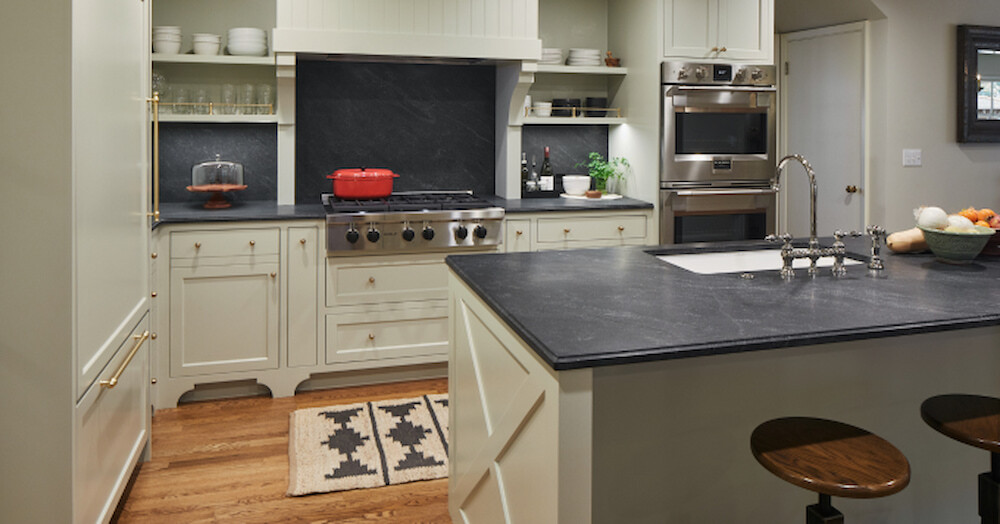
COOPER Design Build & Remodeling brings planning, design, material coordination, and construction together through one integrated design-build process. That level of alignment is especially important in historic home remodels, where existing conditions, original details, modern systems, and daily function all need to be considered together. Our team looks closely at how these elements connect before the work begins, helping create a clearer path forward.
Whether you’re in [Arlington Heights](https://en.wikipedia.org/wiki/Arlington_Heights,_Portland,_Oregon) or elsewhere in the Portland area, we help owners shape thoughtful remodels that respect the character of the property while improving how it supports everyday life. Contact us today to begin planning your historic remodel with a team that understands both the details and the bigger picture.
### Subscribe Here!
### Recent Posts
[Schedule a Consultation](https://cooperdesignbuilders.com/schedule-a-consultation/)
Call Us: [503-282-0545](tel:5032820545)
### Posts by Tag
- [Home Remodeling (98)](https://blog.cooperdesignbuilders.com/topic/home-remodeling)
- [Design-Build Portland (81)](https://blog.cooperdesignbuilders.com/topic/design-build-portland)
- [Design (76)](https://blog.cooperdesignbuilders.com/topic/design)
- [Custom Home Design (65)](https://blog.cooperdesignbuilders.com/topic/custom-home-design)
- [Planning a Remodel (65)](https://blog.cooperdesignbuilders.com/topic/planning-a-remodel)
- [Remodeling Ideas (37)](https://blog.cooperdesignbuilders.com/topic/remodeling-ideas)
- [Whole Home Remodeling (35)](https://blog.cooperdesignbuilders.com/topic/whole-home-remodeling)
- [Remodeling Tips (32)](https://blog.cooperdesignbuilders.com/topic/remodeling-tips)
- [Custom Home (23)](https://blog.cooperdesignbuilders.com/topic/custom-home)
- [Bathroom Remodeling (22)](https://blog.cooperdesignbuilders.com/topic/bathroom-remodeling)
- [Home Additions (21)](https://blog.cooperdesignbuilders.com/topic/home-additions)
- [Living in Portland (19)](https://blog.cooperdesignbuilders.com/topic/living-in-portland)
- [Luxury Home (18)](https://blog.cooperdesignbuilders.com/topic/luxury-home)
- [Kitchen Design (16)](https://blog.cooperdesignbuilders.com/topic/kitchen-design)
- [Kitchen Remodeling (16)](https://blog.cooperdesignbuilders.com/topic/kitchen-remodeling)
- [Remodeling Investment (16)](https://blog.cooperdesignbuilders.com/topic/remodeling-investment)
- [Home Maintenance (15)](https://blog.cooperdesignbuilders.com/topic/home-maintenance)
- [Aging in Place (12)](https://blog.cooperdesignbuilders.com/topic/aging-in-place)
- [Finance (8)](https://blog.cooperdesignbuilders.com/topic/finance)
- [Featured Projects (6)](https://blog.cooperdesignbuilders.com/topic/featured-projects)
- [ADU's (4)](https://blog.cooperdesignbuilders.com/topic/adus)
- [Historic Home Remodel (4)](https://blog.cooperdesignbuilders.com/topic/historic-home-remodel)
- [Budgeting (3)](https://blog.cooperdesignbuilders.com/topic/budgeting)
- [Outdoor Spaces (3)](https://blog.cooperdesignbuilders.com/topic/outdoor-spaces)
- [Kid-Friendly (2)](https://blog.cooperdesignbuilders.com/topic/kid-friendly)
- [Lighting (2)](https://blog.cooperdesignbuilders.com/topic/lighting)
- [Remodeling Awards (2)](https://blog.cooperdesignbuilders.com/topic/remodeling-awards)
- [Sustainable Remodeling (2)](https://blog.cooperdesignbuilders.com/topic/sustainable-remodeling)
- [Energy Efficiency (1)](https://blog.cooperdesignbuilders.com/topic/energy-efficiency)
- [Luxury Remodels (1)](https://blog.cooperdesignbuilders.com/topic/luxury-remodels)
- [bathroom design (1)](https://blog.cooperdesignbuilders.com/topic/bathroom-design)
- [color (1)](https://blog.cooperdesignbuilders.com/topic/color)
See all
## We build trust as well as homes!








[](https://cooperdesignbuilders.com/)
### Contact Us
[info@cooperdesignbuild.com](mailto:info@cooperdesignbuild.com) [503-282-0545](tel:5032820545) [4560 SW 96th Ave, Beaverton, OR 97005](https://www.google.com/maps?ll=45.487169,-122.775189&z=10&t=m&hl=en&gl=GB&mapclient=embed&cid=4490823392713310045)
[schedule a consultation](https://cooperdesignbuilders.com/schedule-a-consultation/)
### Quick Links
- [Blog](https://blog.cooperdesignbuilders.com/)
- [Resources](https://cooperdesignbuilders.com/resources/)
- [Locations](https://cooperdesignbuilders.com/locations/)
- [Portfolio](https://cooperdesignbuilders.com/remodeling-portfolio/)
- [Testimonials](https://cooperdesignbuilders.com/home-remodeling-testimonials/)

Licensed Bonded & Insured: CCB# 77239 | COOPEDB743N6
[§](https://www.facebook.com/cooperdesignbuildpdx/)
© 2025 All Right Reserved
```json
{
"@context": "https://schema.org",
"@type": "BlogPosting",
"url": "https://blog.cooperdesignbuilders.com/why-remodeling-historic-home-take-longer",
"headline": "What Makes Remodeling a Historic Home More Time-Intensive?
",
"speakable": {
"@type": "SpeakableSpecification",
"xpath": [
"//span[contains(., 'Original materials, previous repairs, older systems, and architectural details all influence what can be changed and how carefully the work needs to happen')]",
"//span[contains(., 'Renovating a historic house usually takes longer because the process is shaped by more than the new design')]",
"//span[contains(., 'Not every project in a historic property needs to become complicated, but all of them require planning that accounts for conditions that may not be visible at first glance')]",
"//span[contains(., 'Keeping original details is often worthwhile, but it usually requires more planning than replacing everything with new materials')]",
"//span[contains(., 'Modern comfort depends on systems that many historic houses were not originally designed to support')]",
"//span[contains(., 'Early planning helps clarify layouts, finish transitions, material selections, lighting, and system upgrades before construction begins')]"
]
}
}
```